

As the crisp autumn air settles in and the leaves turn vibrant shades of amber, our bodies naturally crave warmth, grounding, and comfort. In Ayurvedic tradition, autumn is governed by Vata dosha – an energy characterised by dry, cold, light, and airy qualities. To keep ourselves balanced, healthy, and cosy during this seasonal shift, incorporating warming spices and hot drinks into our daily routine is essential.
One of the best ways to embrace the season is by brewing a fresh pot of traditional chai tea. Beyond being a delicious seasonal treat, an authentic Ayurvedic chai tea recipe acts as a powerful therapeutic tonic that ignites your digestive fire (Agni) and boosts immunity.
What is Chai Tea? Understanding The Ayurvedic Perspective
If you have ever asked, “What is chai tea?” the answer lies deep in Indian culture and ancient healing traditions. The word chai simply translates to “tea” in Hindi, while masala chai refers to spiced tea. Therefore, calling it “chai tea” literally means “spiced tea tea”, yet in Western culture, the phrase has become synonymous with aromatic, milk-infused spiced brews.
Unlike a modern coffee shop syrup blend, true Ayurvedic chai tea is crafted using whole digestive spices like fresh ginger, cardamom, cloves, cinnamon, and nutmeg. In Ayurveda, these spices work synergistically to help digest food and provide sustained, steady energy without the sudden crash.
Benefits Of Ayurvedic Chai Tea
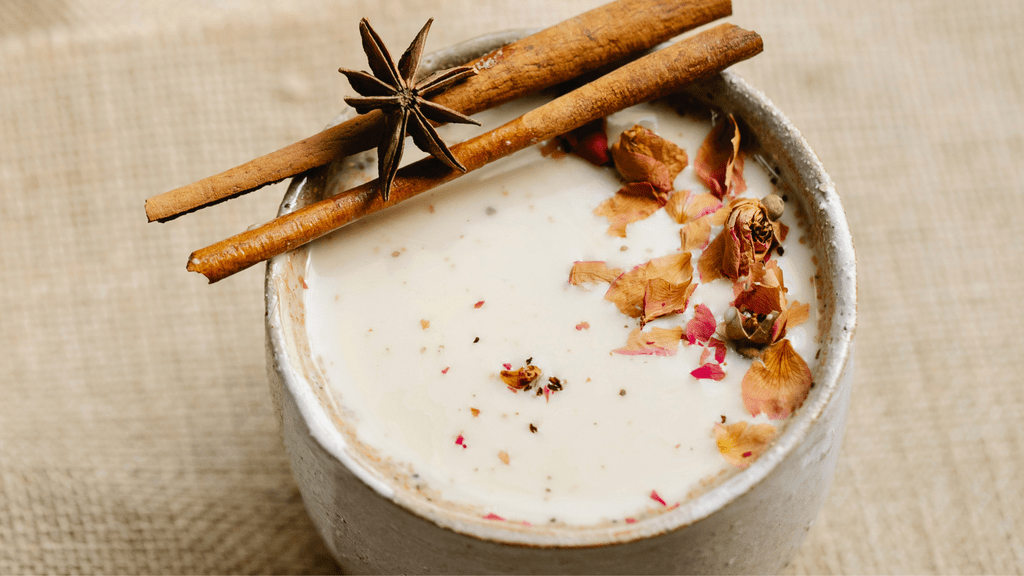
Drinking homemade chai tea during the cooler autumn months offers numerous health benefits:
- Warming & Grounding: Spices like cinnamon, cloves, and ginger stimulate circulation and bring heat to a chilled body.
- Enhances Digestion: The aromatic spices act as carminatives, reducing bloating, gas, and sluggish autumn digestion.
- Neutralises Caffeine: Cardamom is traditionally added to coffee and tea in Ayurveda because it neutralises the jittery, acidic effects of caffeine on the nervous system.
- A Mindful Alternative To Coffee: If you are looking to step away from heavy espresso drinks or artificial syrup shots, a freshly brewed, warm cup of chai tea is the ultimate comforting coffee replacement.
The Authentic Ayurvedic Chai Tea Recipe
This authentic recipe yields 4 servings and is formulated to balance Vata, Pitta, and Kapha when made with care.
Ingredients (Serves 4):
- 3 cups water
- ½ inch piece of fresh ginger
- 3 pinches of ground cinnamon
- 3 pinches of ground nutmeg
- 3 pinches of ground cardamom
- 5 cloves
- 1 teaspoon loose black tea (or dandelion root or lemongrass for a caffeine-free version)
- 1 cup milk of your choice
- 2 teaspoons sweetener of your choice (raw honey, maple syrup, or jaggery)
Instructions:
- In a saucepan, bring the 3 cups of water to a boil with all the spices (cloves, nutmeg, cinnamon, cardamom, and fresh ginger) for 2 minutes.
- Add the 1 teaspoon of tea (or herbal substitute) and simmer for 2 minutes.
- Add the 1 cup of milk and heat until hot, but do not let it boil.
- Add 2 teaspoons of sweetener of your choice, strain, and serve hot!
Ayurvedic Note: You can vary the amount of milk and sweetener to suit your taste and dosha. Increasing the milk and/or sweetener can provoke Kapha. If you use caffeinated tea, the cardamom will help neutralise the effects of the caffeine. Those with a vata or pitta imbalance can also skip the caffeine entirely if preferred.
How To Customise Your Chai Tea For Your Dosha & Lifestyle
While this recipe is wonderfully balanced for general autumn wellness, Ayurveda encourages personalising your food and drink:
1. Creating A Creamy Chai Latte At Home
If you prefer a thicker, cafe-style beverage, you can froth your milk separately to create a luxurious home-brewed chai latte. Using oat milk or full-cream organic dairy creates that rich microfoam while retaining all the medicinal benefits of the whole spices.
2. Adapting For Caffeine Sensitivity
If you are sensitive to caffeine or drinking this in the late afternoon, swap black tea for roasted dandelion root (for a deep, earthy body) or lemongrass (for a lighter, uplifting blend). This creates a soothing, caffeine-free herbal infusion that won’t disrupt your sleep.
3. Tailoring For Your Unique Dosha
- Vata (Cool/Dry): Enjoy with whole dairy milk, almond milk, or extra ginger for grounding warmth.
- Pitta (Warm/Fiery): Reduce ginger slightly and favour cooling cardamom and milk. Avoid boiling spices too long.
- Kapha (Heavy/Cool): Use lighter milk (like semi-skimmed or pea milk), reduce sweetener, and add extra cloves or black pepper to boost metabolism.
Conclusion
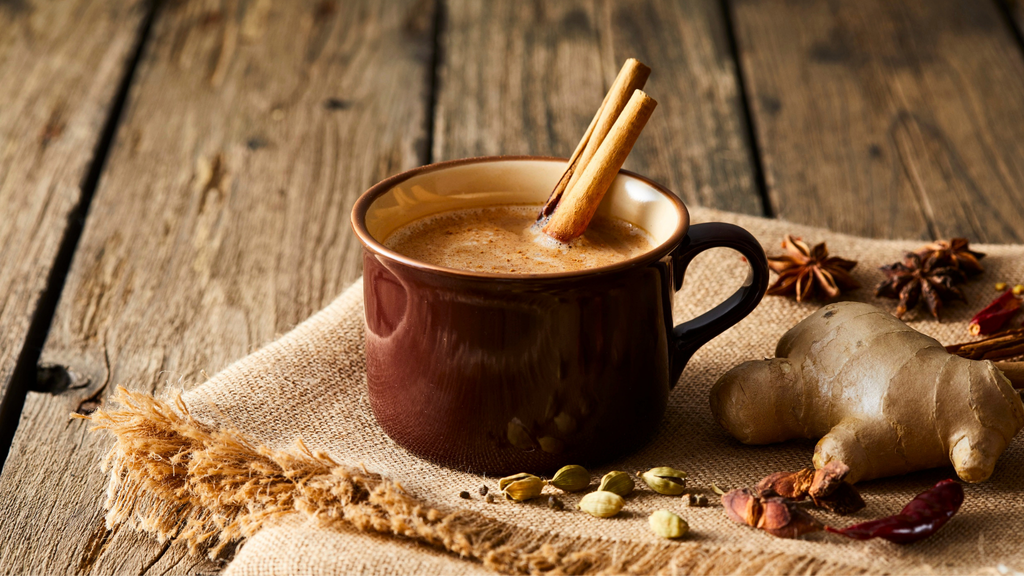
Making your own chai tea from scratch is more than just preparing a hot beverage – it is a grounding ritual that invites mindfulness into your autumn mornings. By stepping away from sugary cafe syrup mixes and embracing fresh whole spices, you treat your body to true Ayurvedic healing in every sip.
Gather your spices, light a candle, and enjoy the cosy warmth of this authentic chai tea recipe all season long!